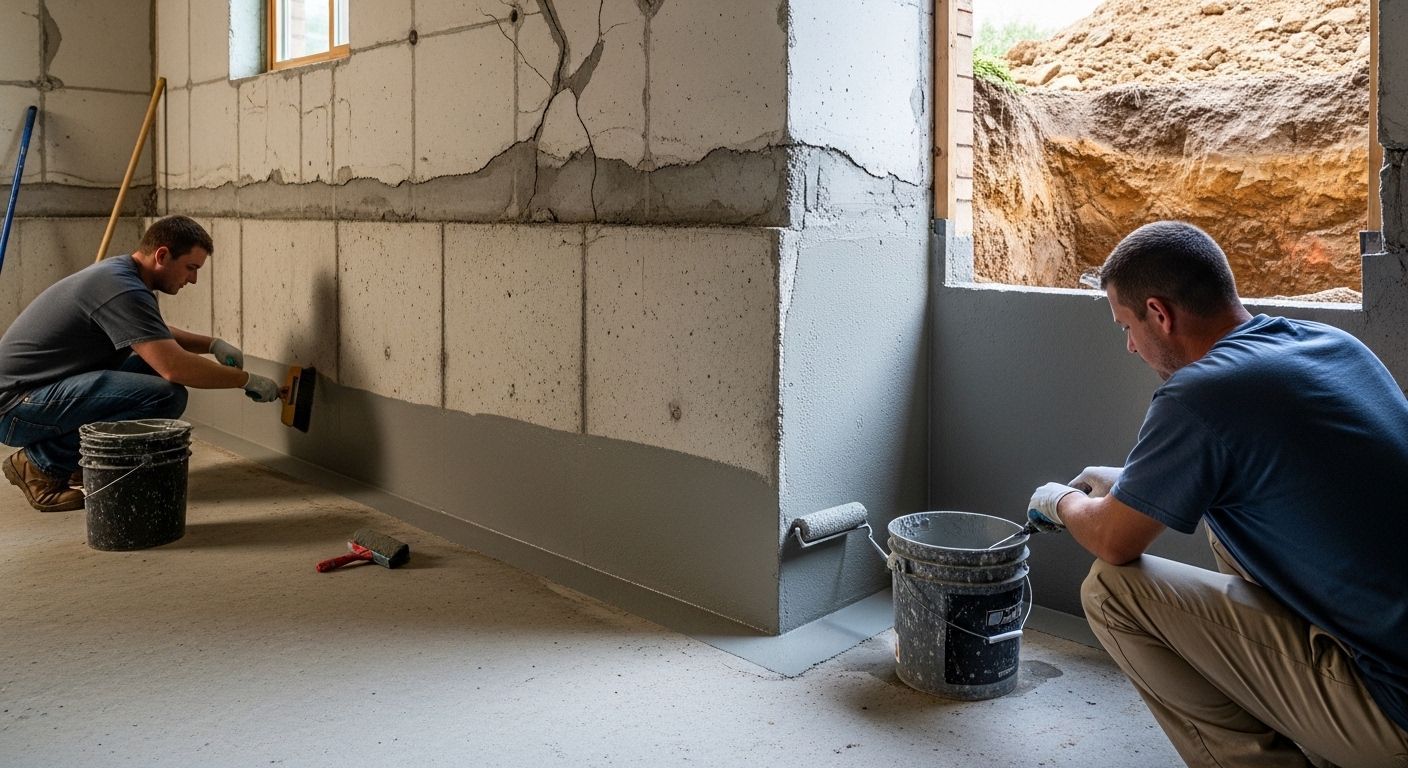
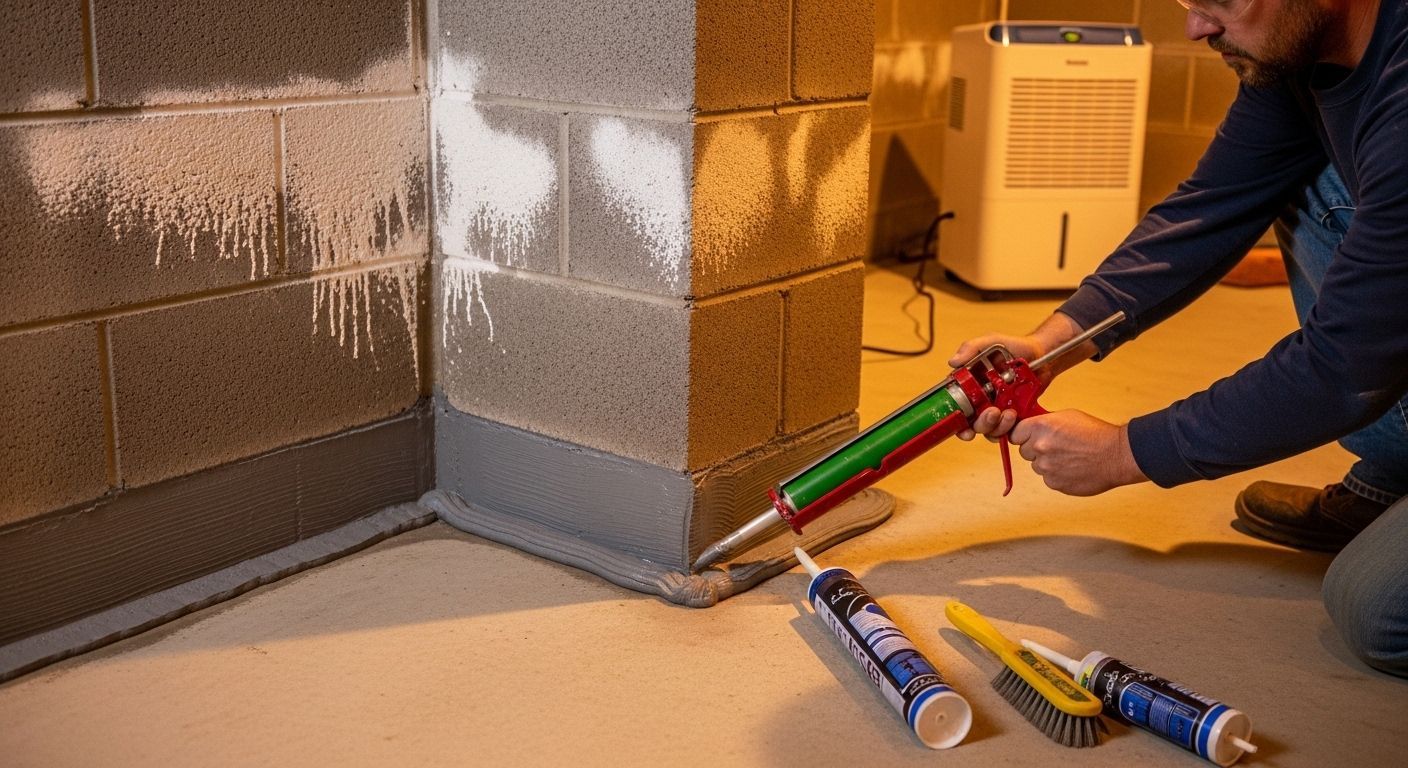
Once the walls are prepped, cracks should be sealed individually. Small cracks can often be filled with polyurethane or epoxy injection products designed for masonry. Larger foundation cracks may need professional repair, especially if they show signs of movement or widening over time. Waterproofing products work best when the structure itself is stable.
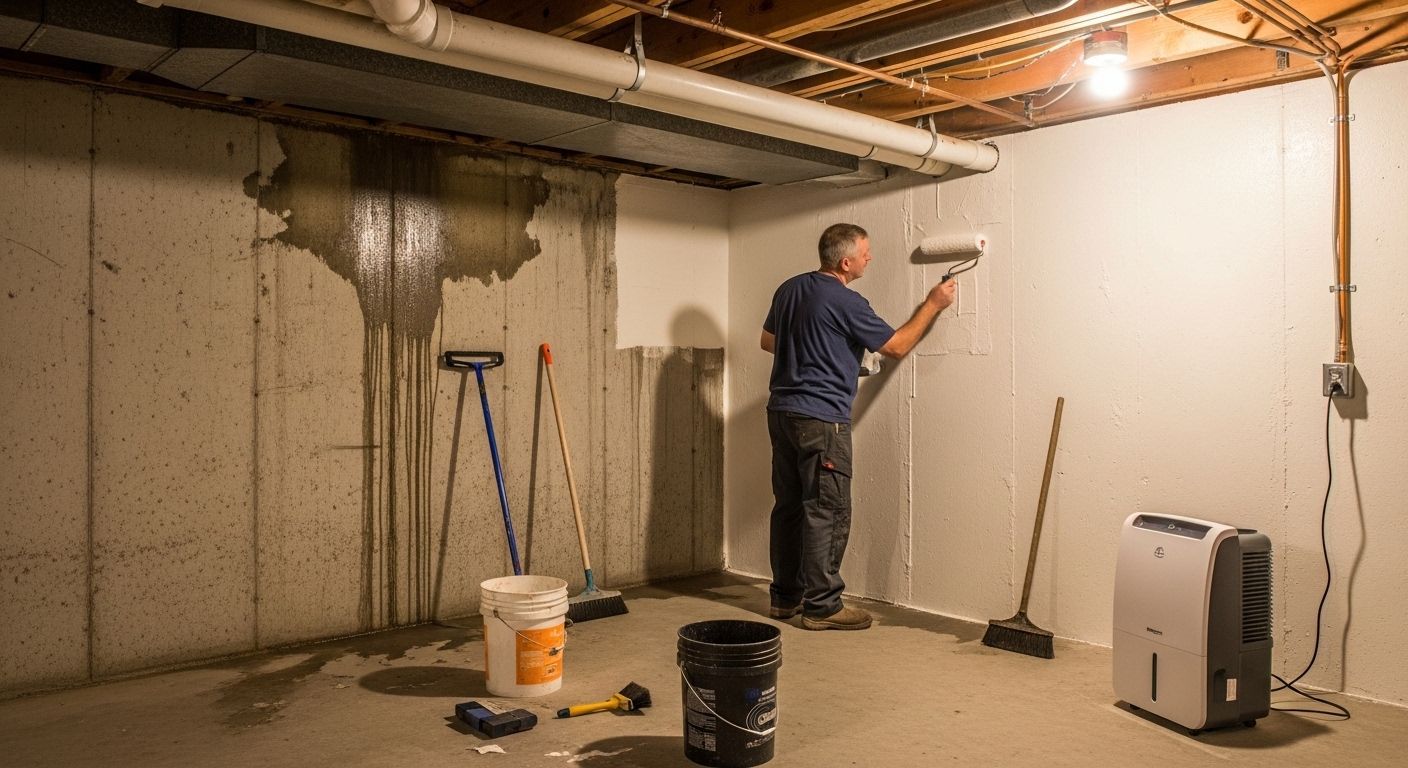
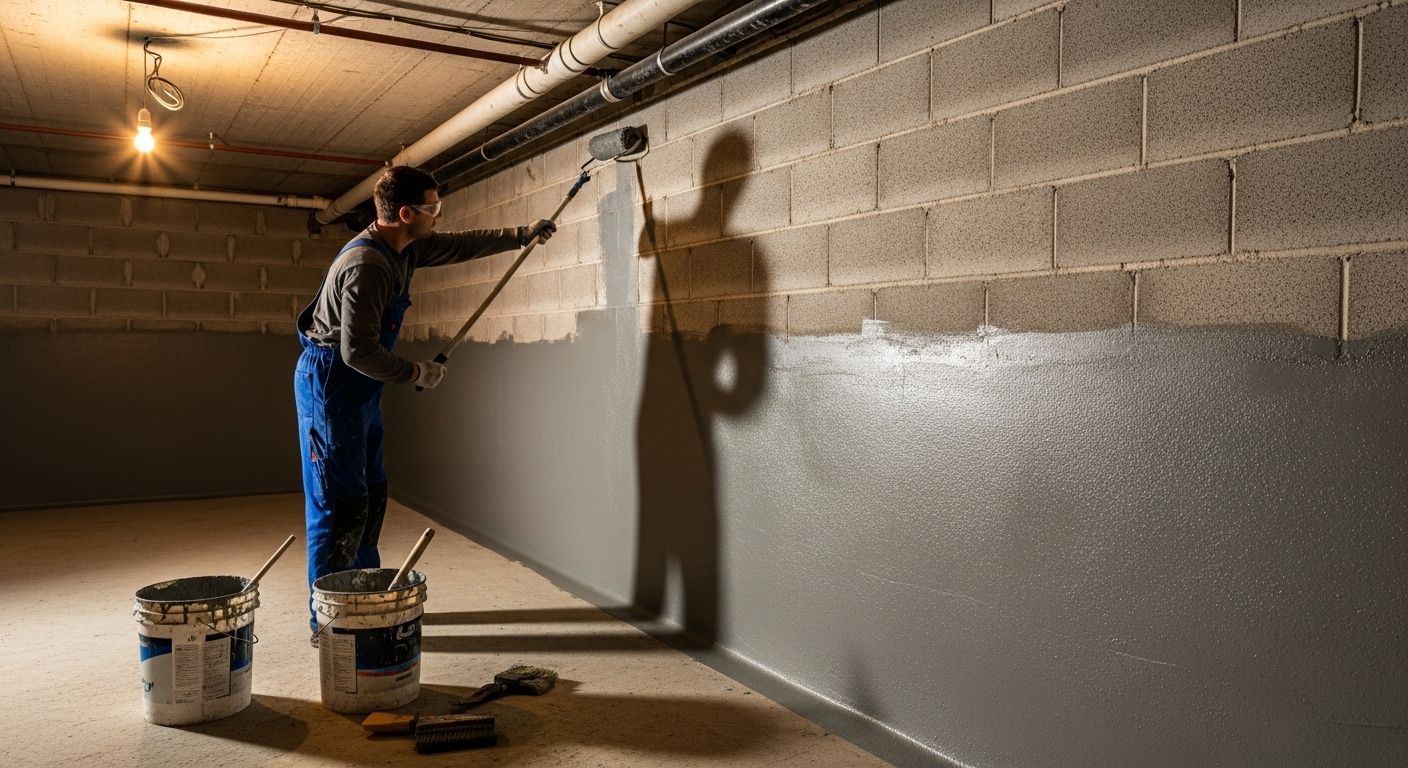
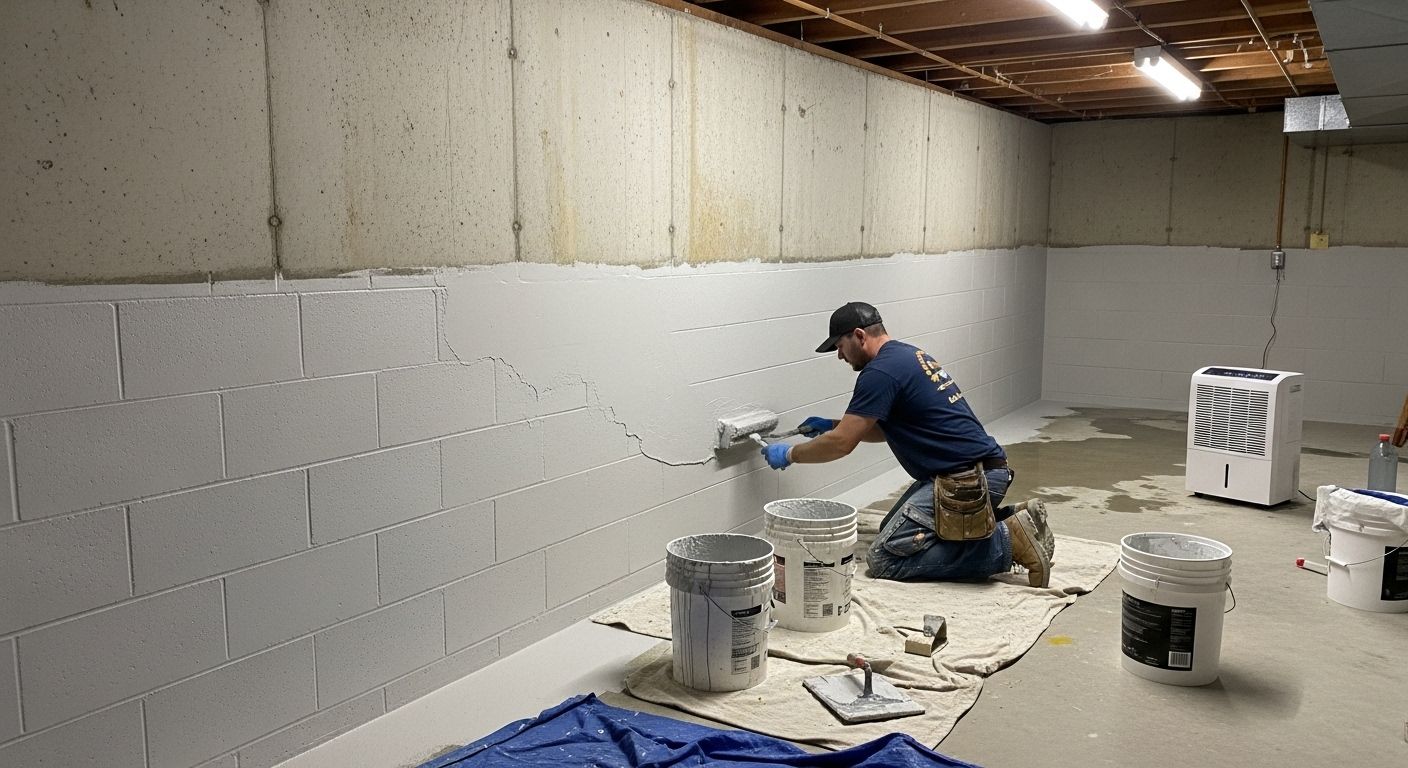
After crack repair, many people apply a waterproof masonry coating across the basement walls. These coatings are thicker than normal paint and designed to block moisture penetration through concrete. It’s important to follow the application directions carefully because some products require slightly damp surfaces while others need completely dry conditions.
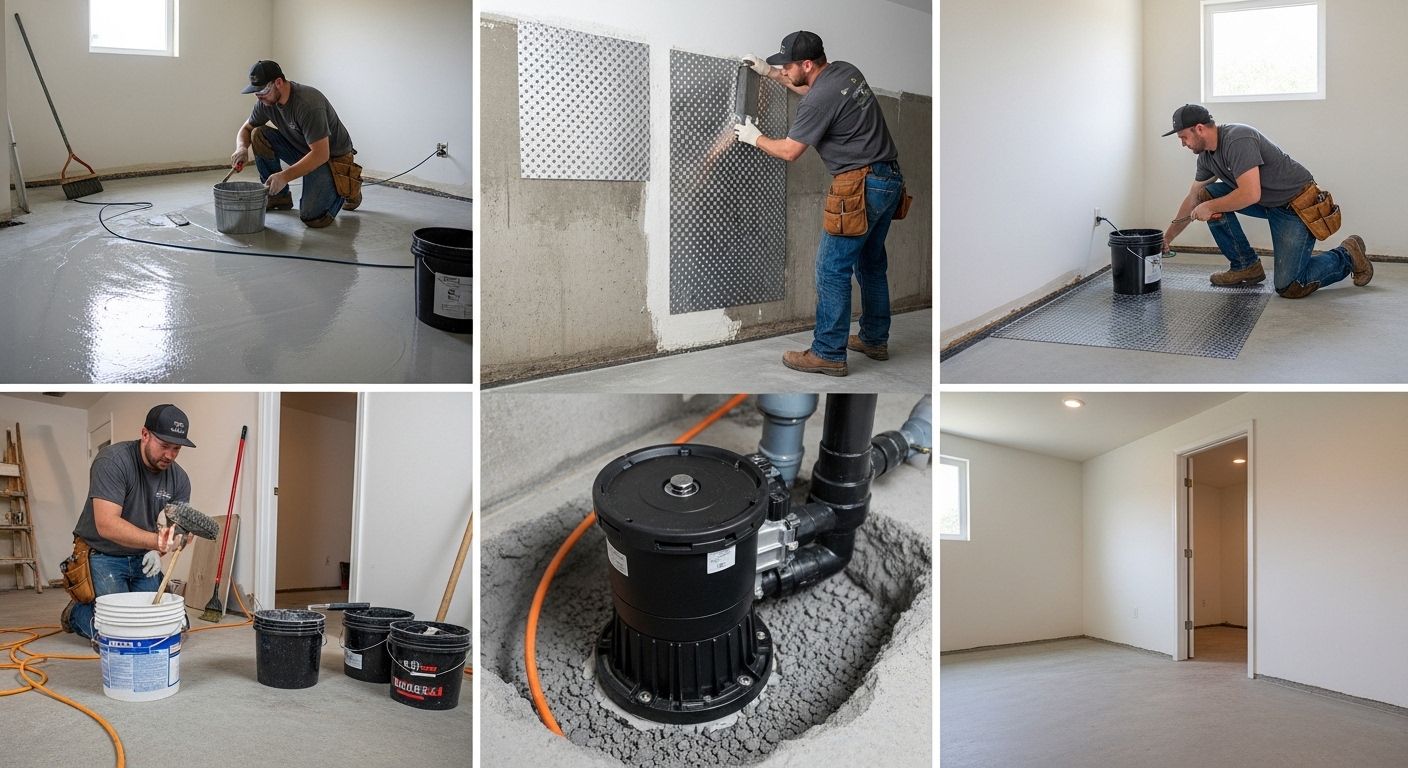
Floor and wall joints are another major trouble spot. The seam where the basement floor meets the wall is often where seepage begins because hydrostatic pressure builds underneath the slab. In more serious cases, interior drainage systems may be necessary. That usually involves installing a drainage channel along the perimeter of the basement floor that directs water into a sump pump system.
A sump pump isn’t glamorous, but it’s one of the most effective defenses against basement flooding. If water consistently enters during storms or snowmelt, collecting and redirecting it is often more realistic than trying to block every drop completely. A battery backup system is also smart since heavy storms can knock out power right when you need the pump most.
Humidity control matters too. Even if liquid water isn’t entering the basement, excess moisture in the air can still create mold problems. Dehumidifiers help maintain healthier humidity levels and prevent that damp basement smell from coming back. Proper ventilation also helps, especially in finished basements.
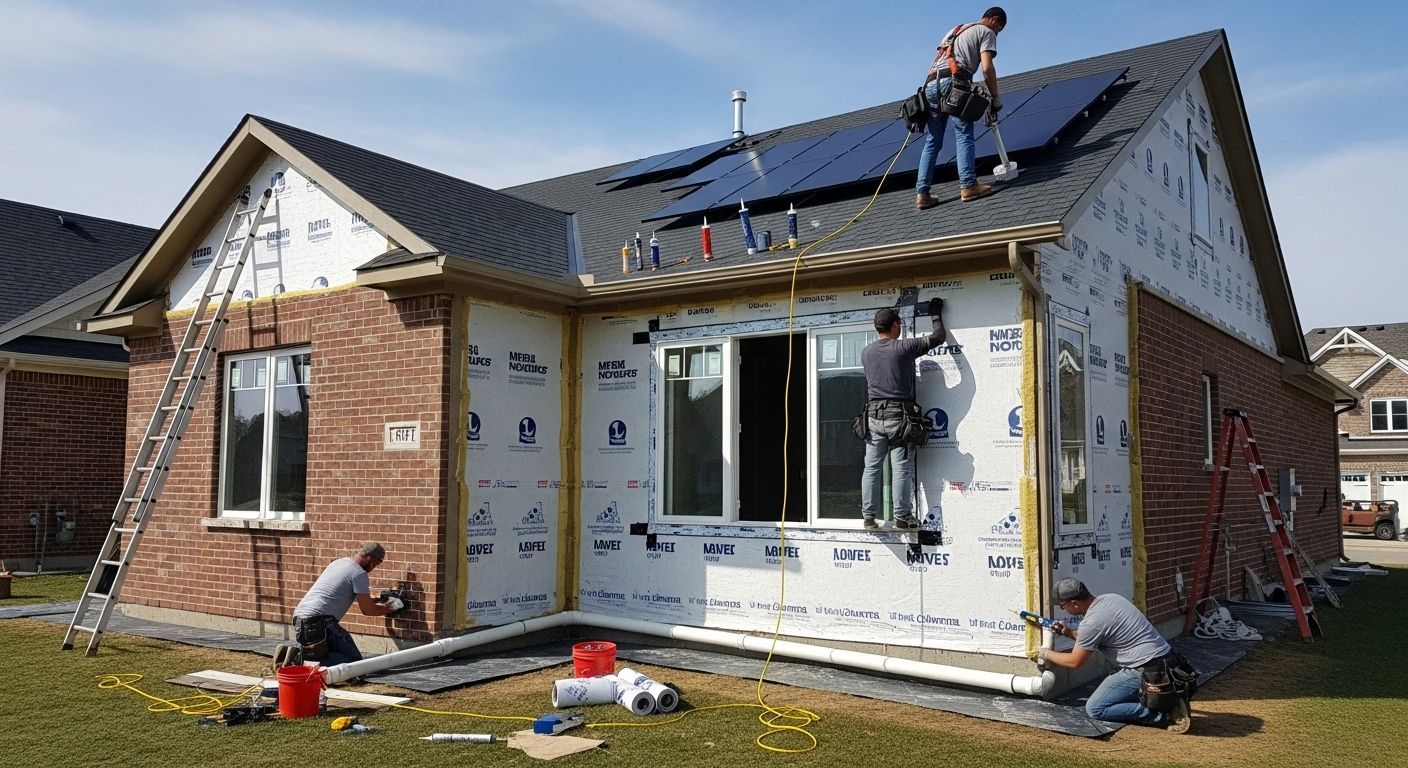
One thing that surprises people learning the how to waterproof basement from inside process is how often exterior drainage contributes to interior problems. Even though you’re working inside, simple outdoor fixes can dramatically reduce basement moisture. Gutters should carry water away from the foundation, downspouts should extend several feet from the house, and the soil around the home should slope away instead of toward the walls.
Interior waterproofing is usually more affordable and less disruptive than exterior excavation, which is why many homeowners start there first. It can work extremely well for minor to moderate moisture issues. But if your basement has severe flooding, bowed walls, or ongoing structural movement, interior sealing alone probably won’t solve the root problem.
The key is being realistic about what you’re seeing. A little condensation on cool basement walls is different from water actively entering through cracks after every rainfall. Understanding the difference helps you choose the right solution instead of wasting money on quick fixes that only work temporarily.
At the end of the day, the how to waterproof basement from inside process is really about moisture management. You’re creating layers of protection: sealing cracks, controlling humidity, redirecting water, and relieving pressure where needed. When done correctly, it can turn a damp, musty basement into a dry usable space that feels like part of the home again.