What It's Made Of and How It Works
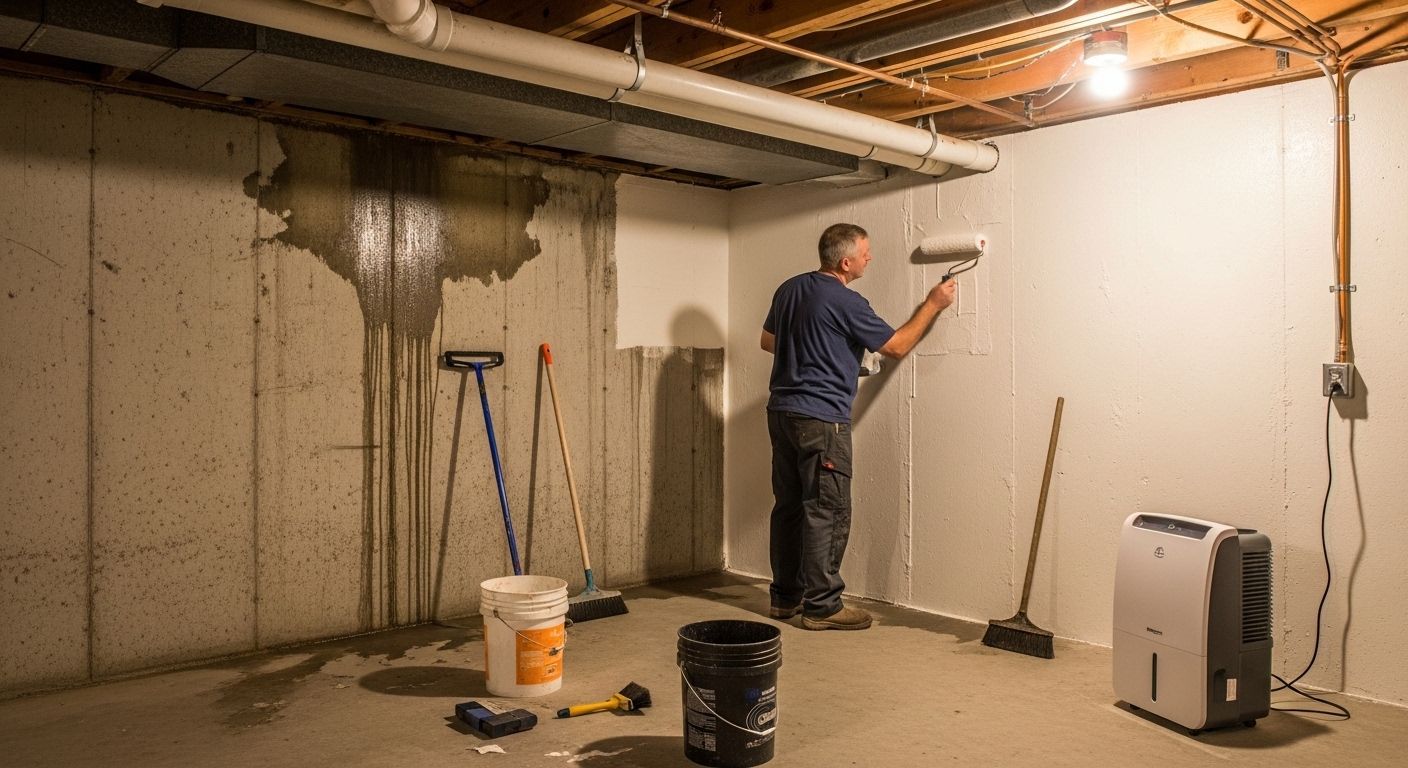
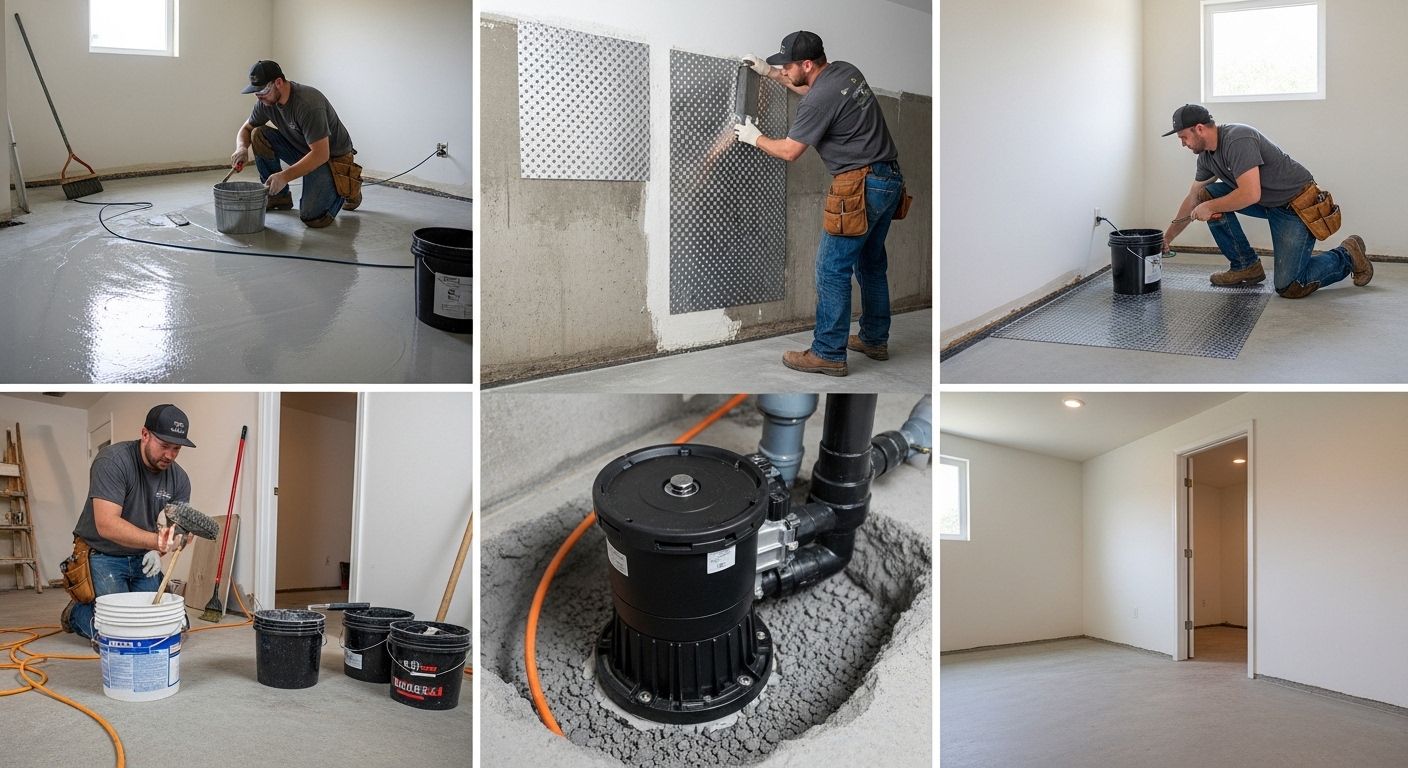
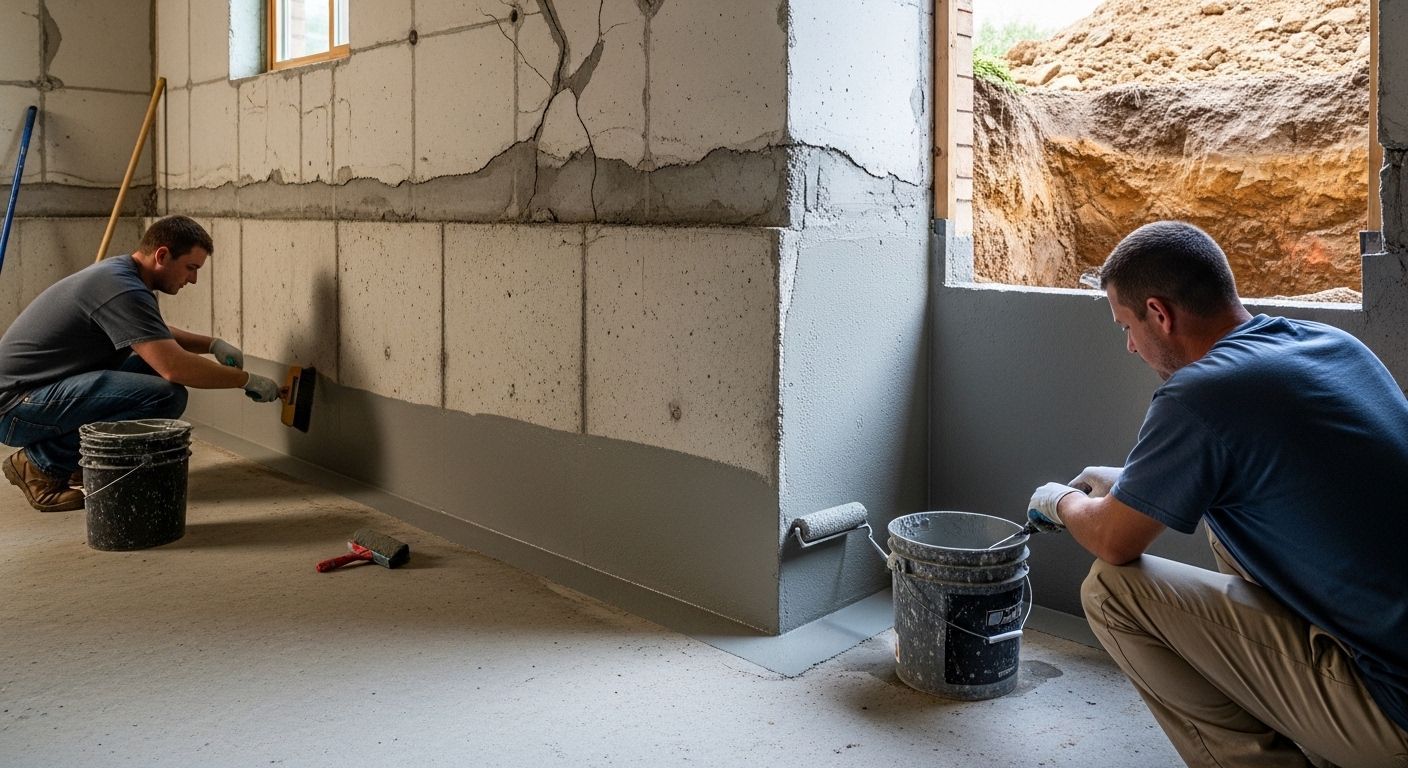
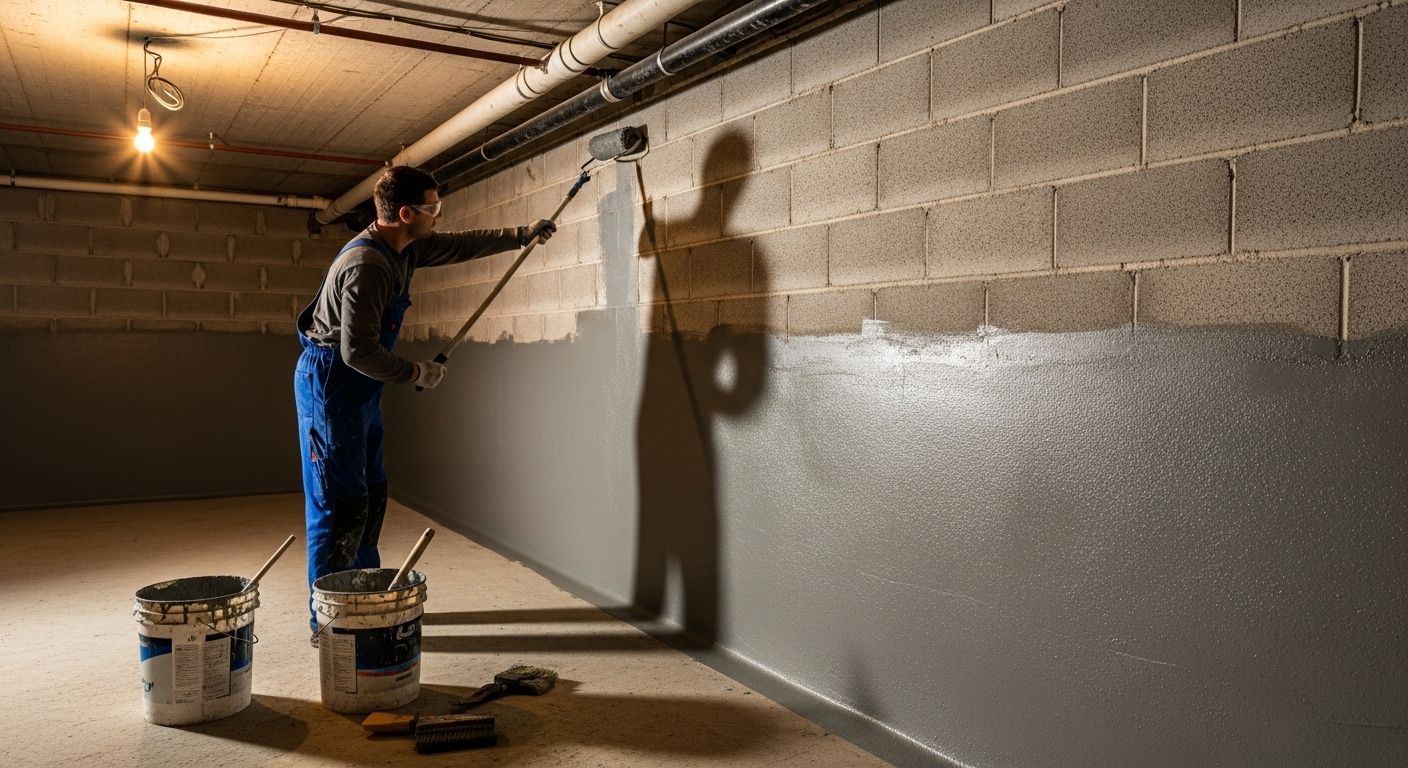
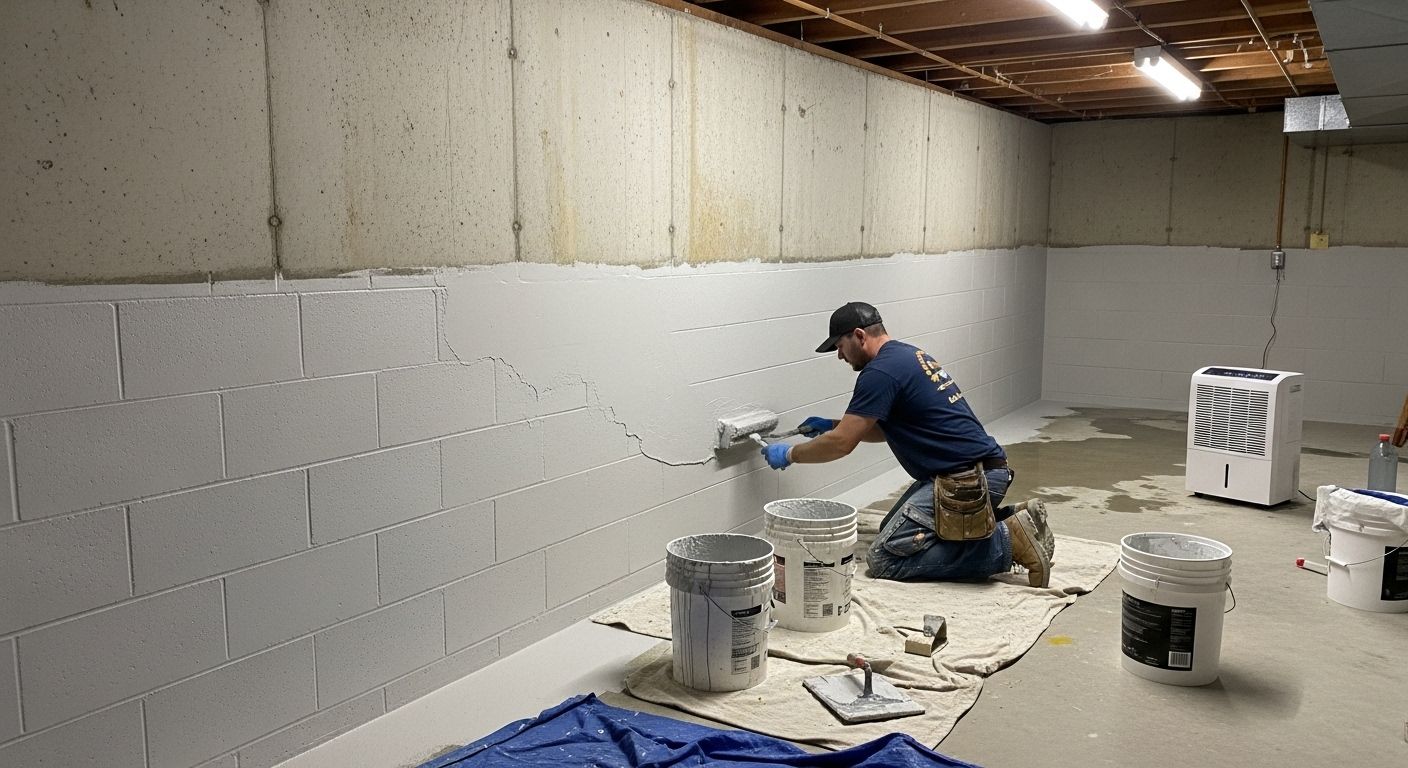
The most common negative side products are cementitious coatings — thick, cement-based compounds that bond to concrete or masonry and crystallize into the pores of the material. Brands like Xypex, Drylok Extreme, and Thoroseal are common examples. Some products use a crystalline chemistry that actually grows into the concrete matrix over time, which makes them surprisingly durable given that they're fighting hydrostatic pressure from behind.
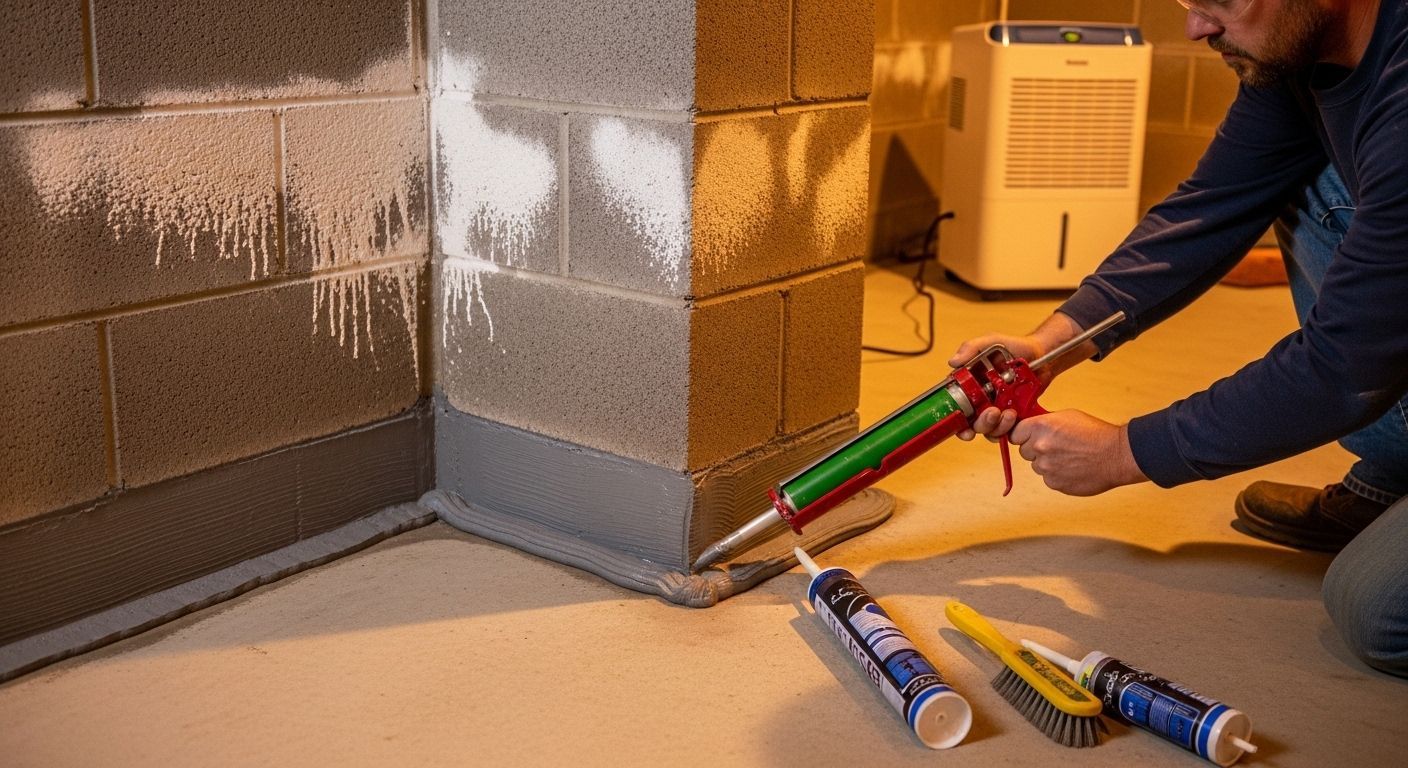
Hydraulic cement is another option for active leaks — it sets extremely fast (sometimes in under three minutes) and can be packed into a crack while water is actively flowing through it. It's often a first step before applying a full coating system.
The key thing to understand is that these products need a solid, stable substrate to bond to. They're not going to perform well over crumbling concrete, painted walls, or surfaces that flex. Surface prep is non-negotiable — any loose material, efflorescence, or contamination has to come off first.
When It's the Right Call
The honest answer is that negative side waterproofing is often a compromise, but sometimes it's the only practical option. The clearest cases where it makes sense:
Access is impossible. If you've got a foundation wall that's shared with a neighboring structure, buried under a permanent addition, or surrounded by landscaping and hardscape that would cost tens of thousands to excavate, getting to the positive side simply isn't realistic. Interior treatment becomes the only workable solution.
It's a finished space with a minor seepage issue. If you have minor moisture coming through a block or poured concrete wall and you want to stabilize it without tearing out landscaping or disturbing exterior grading, a quality cementitious coating applied correctly can hold for many years.
Emergency or temporary stabilization. When water is actively entering a space and you need to stop it fast while you plan a more comprehensive fix, hydraulic cement and negative side coatings can buy you time.
Where it doesn't make sense is when you have significant hydrostatic pressure, structural cracks that are actively moving, or a situation where water is finding its way around the wall rather than through it. Negative side products can't fix a drainage problem — if water is pooling against your foundation because of poor grading or failed drain tile, coating the interior wall is treating a symptom while the underlying cause keeps doing its damage.
What to Watch Out For
The biggest risk with interior waterproofing is that it can mask a problem rather than fix it. If water is still saturating your foundation wall, you may not see it inside anymore — but the water is still there, potentially affecting the structure and insulation over time. Some contractors will apply interior coatings without addressing the source, which gives you a few dry years and then a worse problem later.
Ask any contractor quoting you on negative side waterproofing what it is they're treating — the symptom or the cause. If their answer is only about what goes on the wall and nothing about drainage, grading, or exterior conditions, push further.
The Bottom Line
Negative side waterproofing is a real and useful tool. It's not snake oil, and in the right situations it performs well. But it's worth being clear-eyed that you're managing water from the inside rather than keeping it away from the structure entirely. If exterior access is feasible, that's almost always the better long-term approach. If it's not, interior treatment done correctly — with proper prep and realistic expectations — can absolutely work.