
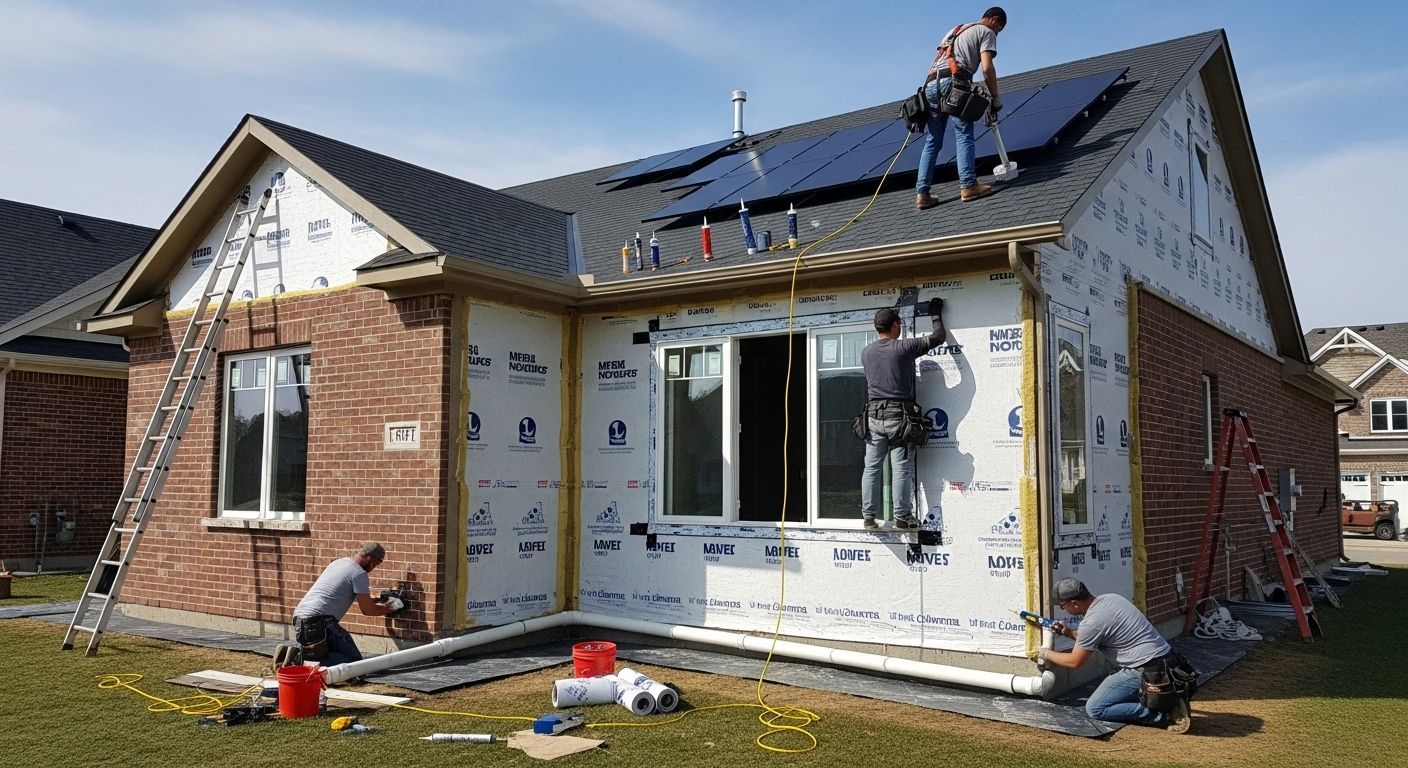
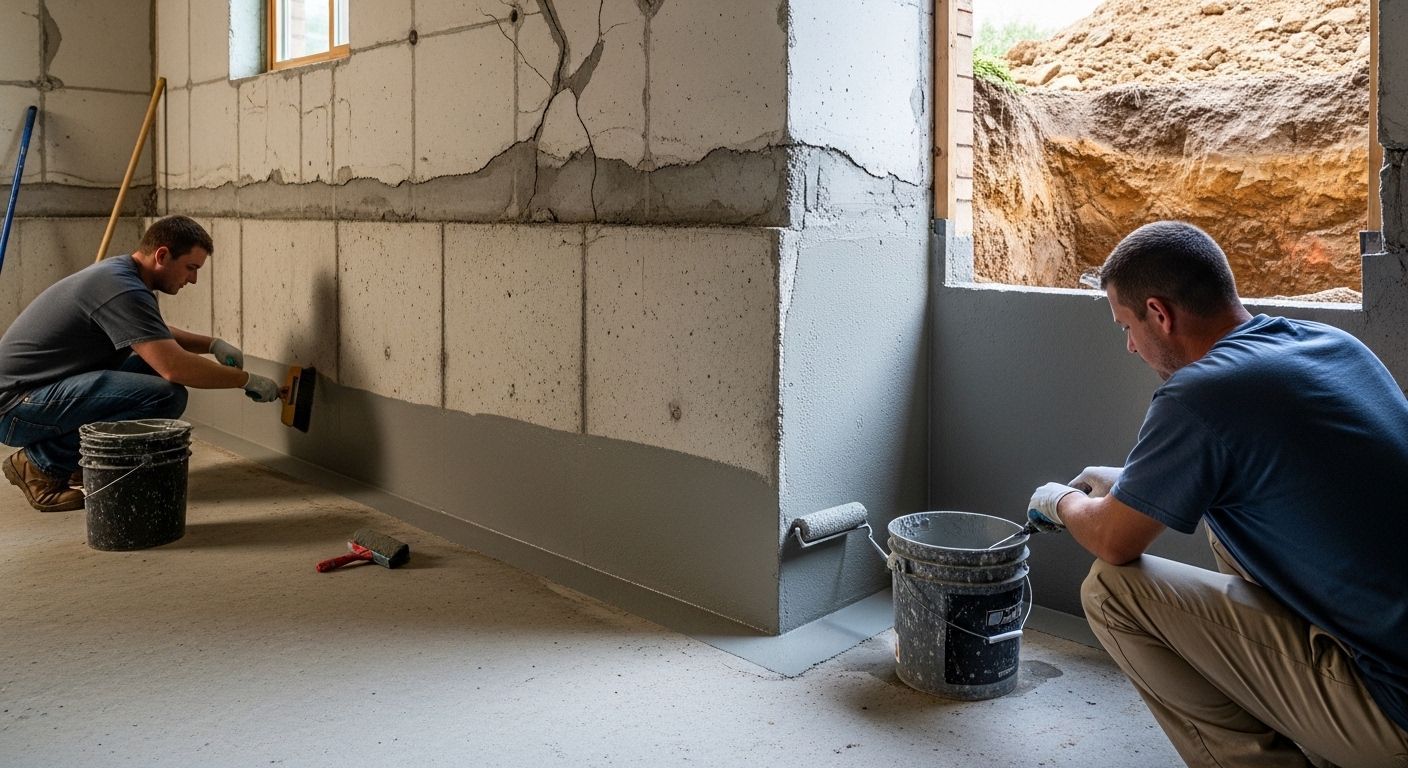
Exterior waterproofing is the more comprehensive solution. The idea is to stop water before it ever gets through the foundation wall — excavating around the perimeter of the house down to the footing, applying a waterproof membrane or coating to the outside of the foundation, installing a drainage board to direct water downward, and adding a drain pipe at the base to carry water away from the structure. Done properly, it addresses the source of the problem directly. Water never penetrates the wall in the first place. It also gives you the opportunity to inspect and repair any cracks or damage in the foundation itself while everything is exposed.
Interior vs Exterior Basement Waterproofing: Which One Actually Solves the Problem?
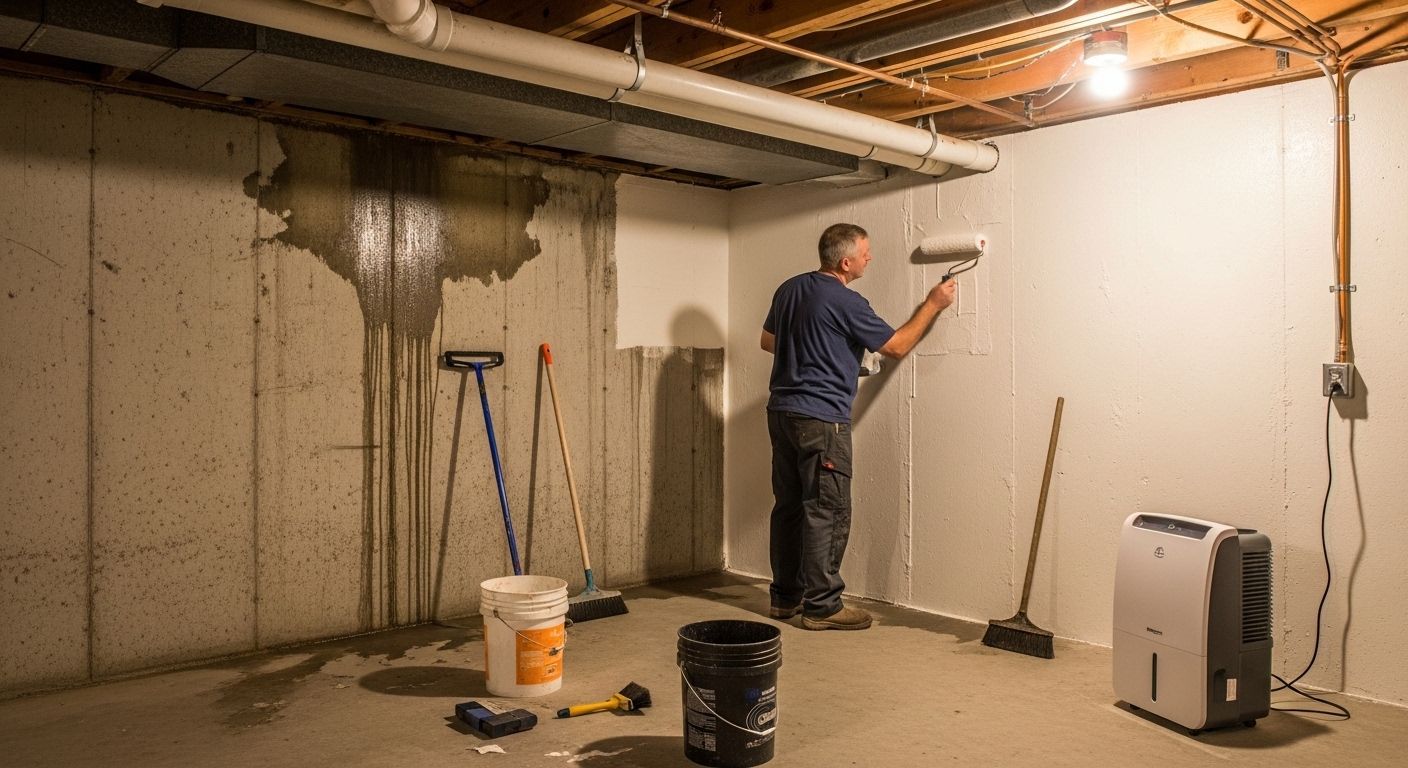
A wet basement is one of those problems that homeowners tend to manage around for too long — a dehumidifier here, some towels there — before finally deciding to fix it properly. When you do get to that point, the first real decision is whether you're looking at interior vs exterior basement waterproofing, and understanding the difference matters because the two approaches solve the problem in fundamentally different ways and come with very different costs and disruptions.
Why Basements Leak in the Southeast — And What's Actually Causing It
Get a Free Quote
Contact Us
Why Choose Waterproofing Atlanta?
Satisfied Clients


The significant downside is what it takes to get there. Excavating around the full perimeter of a house is a major project. It means digging up landscaping, potentially removing decks or patios that are in the way, and a considerable amount of time and money — exterior waterproofing on a full foundation can run anywhere from $15,000 to $30,000 or more depending on the size of the house and site conditions. For a home with serious water intrusion and a foundation that needs attention, it may be the right call. But it's a substantial undertaking, and not every wet basement situation justifies it.
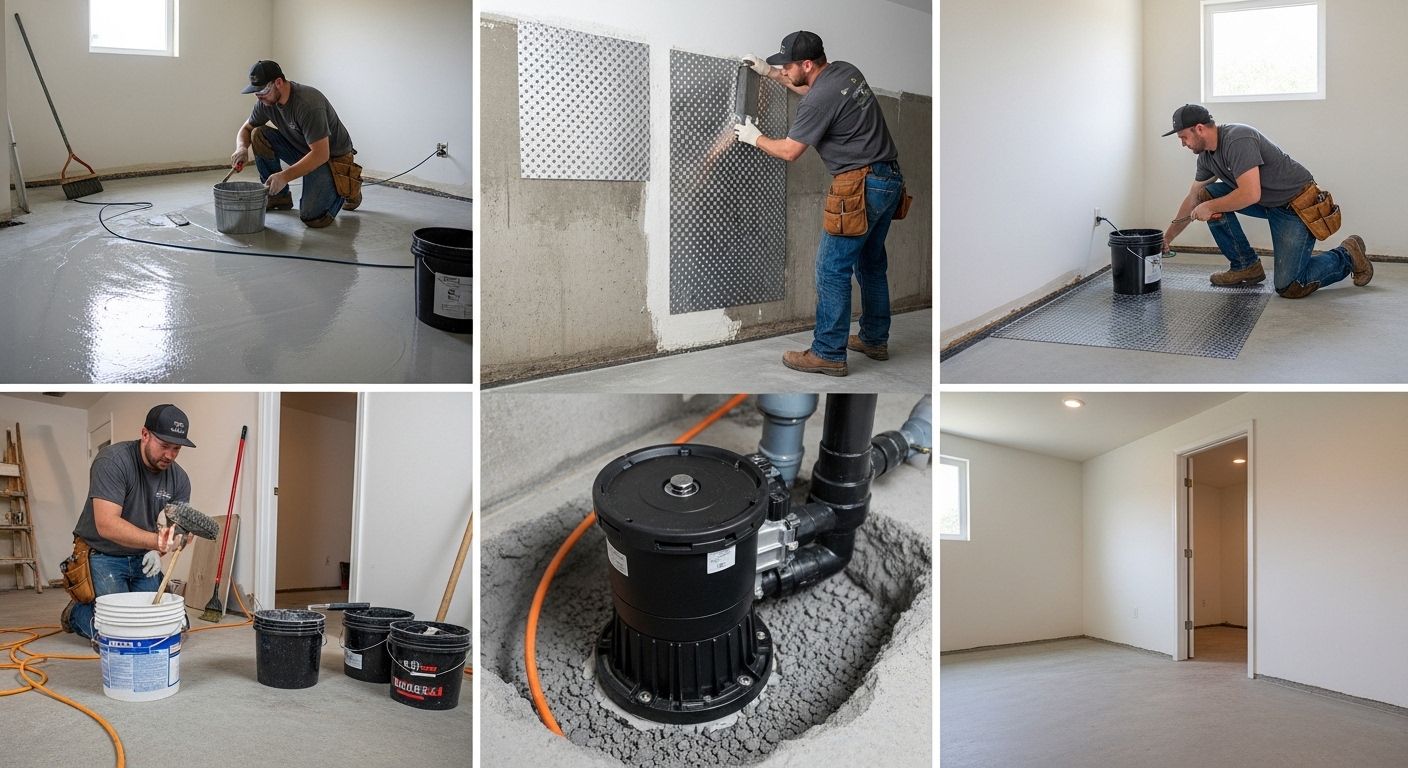
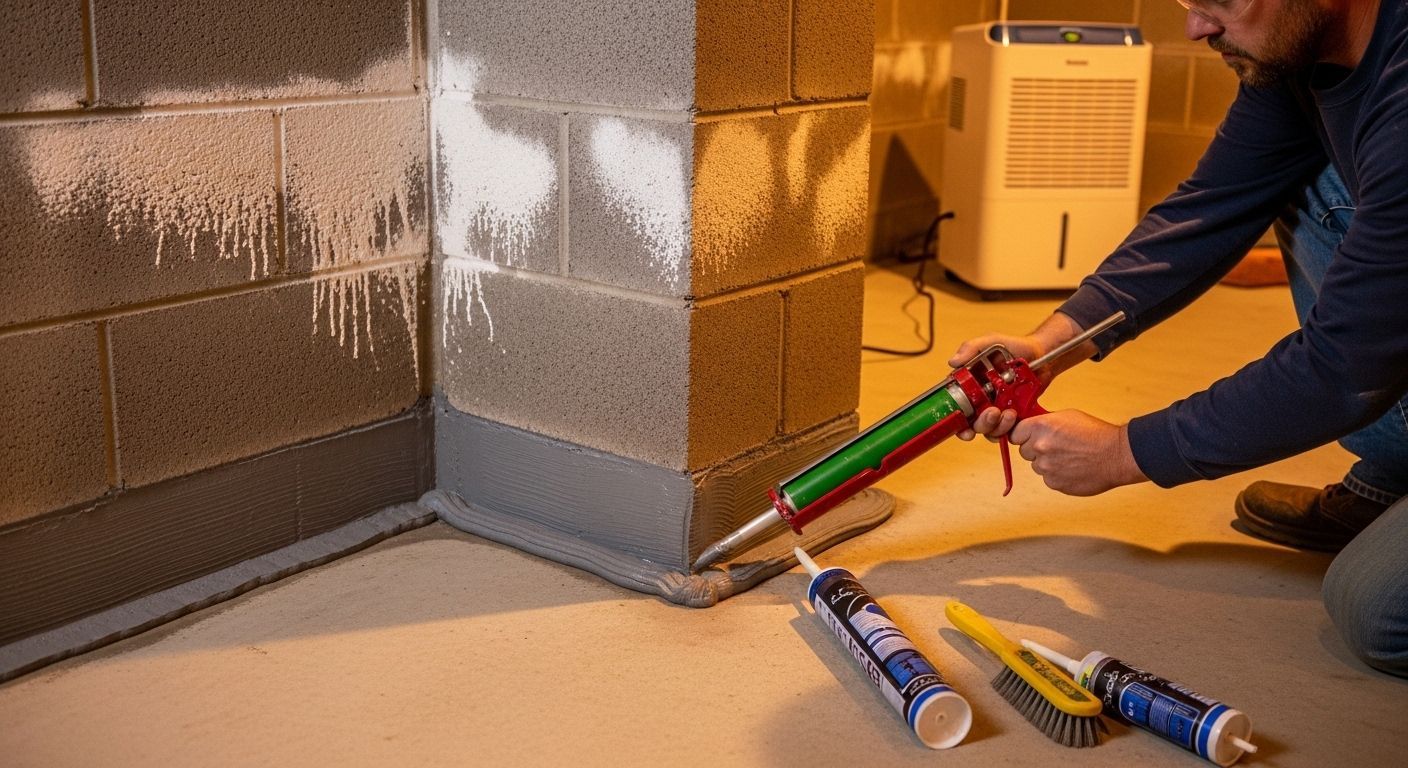
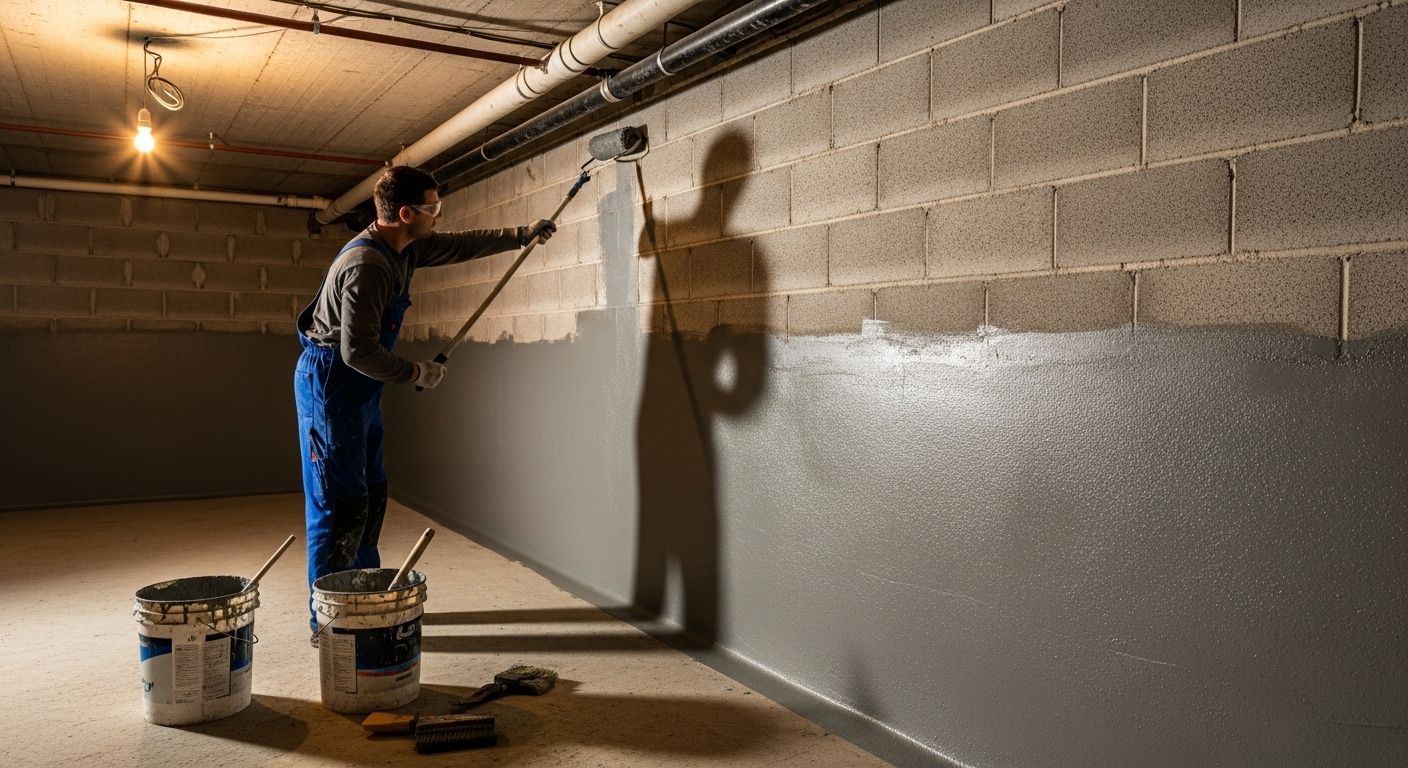
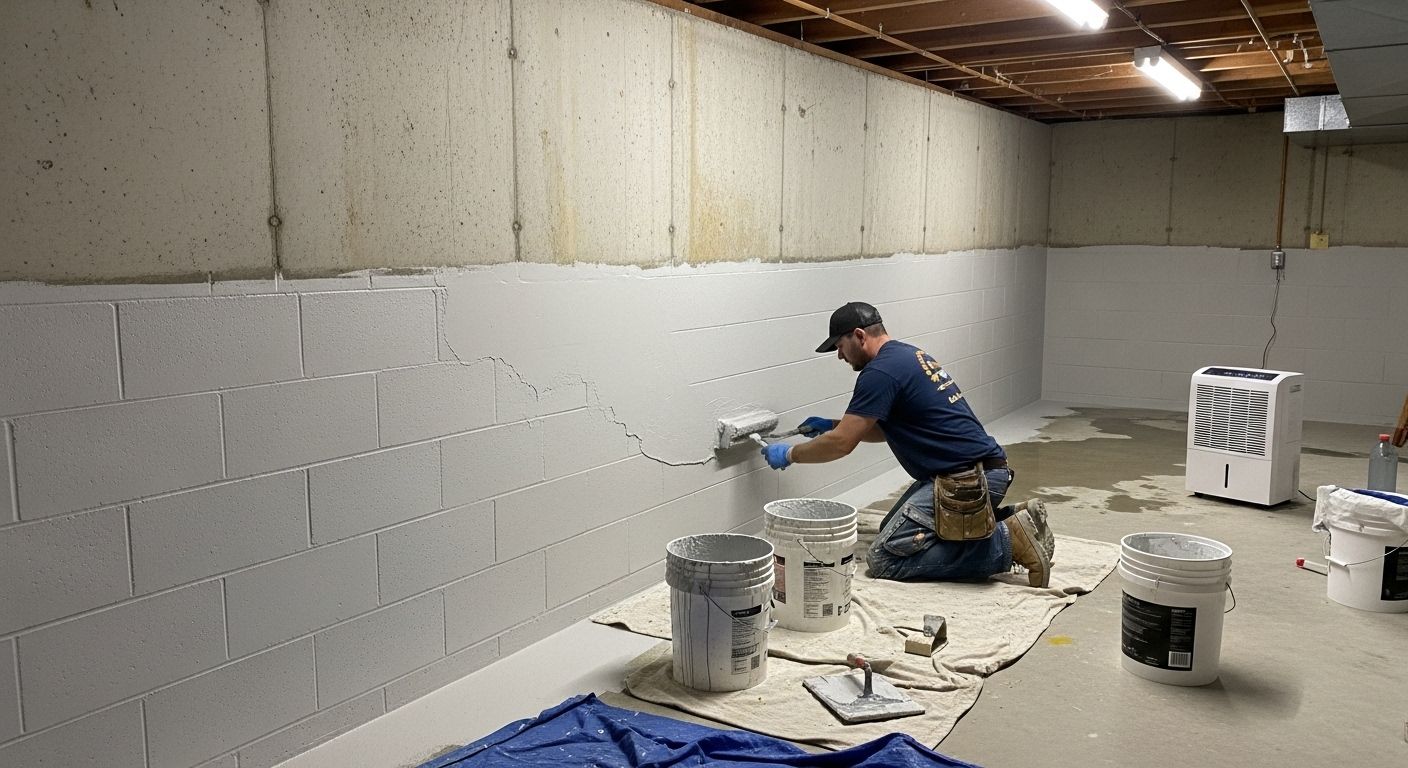
Interior waterproofing takes a different philosophy. Rather than stopping water from entering, it manages water that does get in and directs it safely away before it can cause damage. The most common approach involves installing a drainage channel around the interior perimeter of the basement floor — cut into the concrete at the base of the wall — connected to a sump pit with a pump that removes the water automatically. A vapor barrier on the walls keeps moisture from migrating through and contributes to keeping the space dry. It's a drainage system, not a barrier, which is an important distinction. The water is still technically entering the foundation, but it's being intercepted and removed before it pools on the floor or damages framing and finishes.
The practical advantages of interior waterproofing are significant. It's less disruptive — no excavation, no landscaping damage, and the work is typically done in a few days rather than weeks. It's also considerably less expensive, often running between $5,000 and $15,000 for a full perimeter system depending on the basement size and the complexity of the installation. And because it relies on active drainage rather than a membrane that can degrade or be compromised over time, a well-installed interior system with a quality sump pump is reliably effective for decades.
The interior vs exterior basement waterproofing debate often comes down to what's actually causing the water intrusion. If water is coming in through cracks in the foundation wall above the footing — hydrostatic pressure pushing through the concrete — exterior waterproofing addresses that directly. If water is coming up through the floor or entering at the wall-floor joint, which is more common than most people realize, interior drainage is often more effective because it intercepts the water exactly where it's entering. A good waterproofing contractor will diagnose the source before recommending a solution, and you should be skeptical of anyone who leads with a recommendation before they've spent time understanding where and how the water is getting in.
In practice, many waterproofing companies specialize in one approach or the other, which can bias their recommendations. It's worth getting at least two opinions, ideally from companies that offer both systems, so you're getting an honest assessment of what your specific situation calls for rather than a pitch for whatever the contractor happens to install.
For most homeowners dealing with a wet basement, interior waterproofing is the more practical starting point — it's effective, less disruptive, and significantly more affordable. Exterior waterproofing makes more sense when there's visible foundation damage that needs repair, when the grading and drainage around the house are seriously compromised, or when a full renovation makes the excavation work more justifiable. Understanding the interior vs exterior basement waterproofing distinction before you start talking to contractors puts you in a much better position to evaluate what you're being told and make a decision that actually fits your situation.