Why Do Basements Leak in the Southeast and How Is It Fixed?

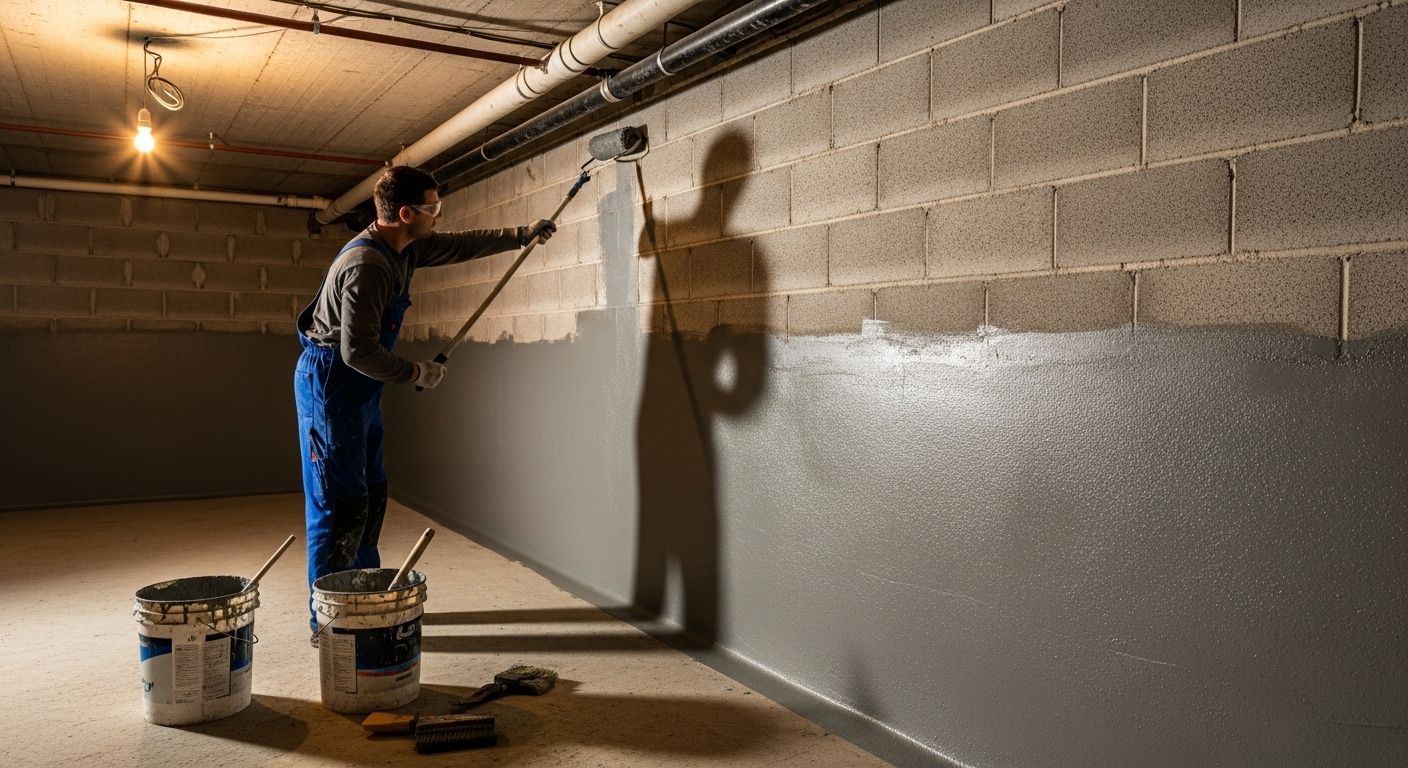
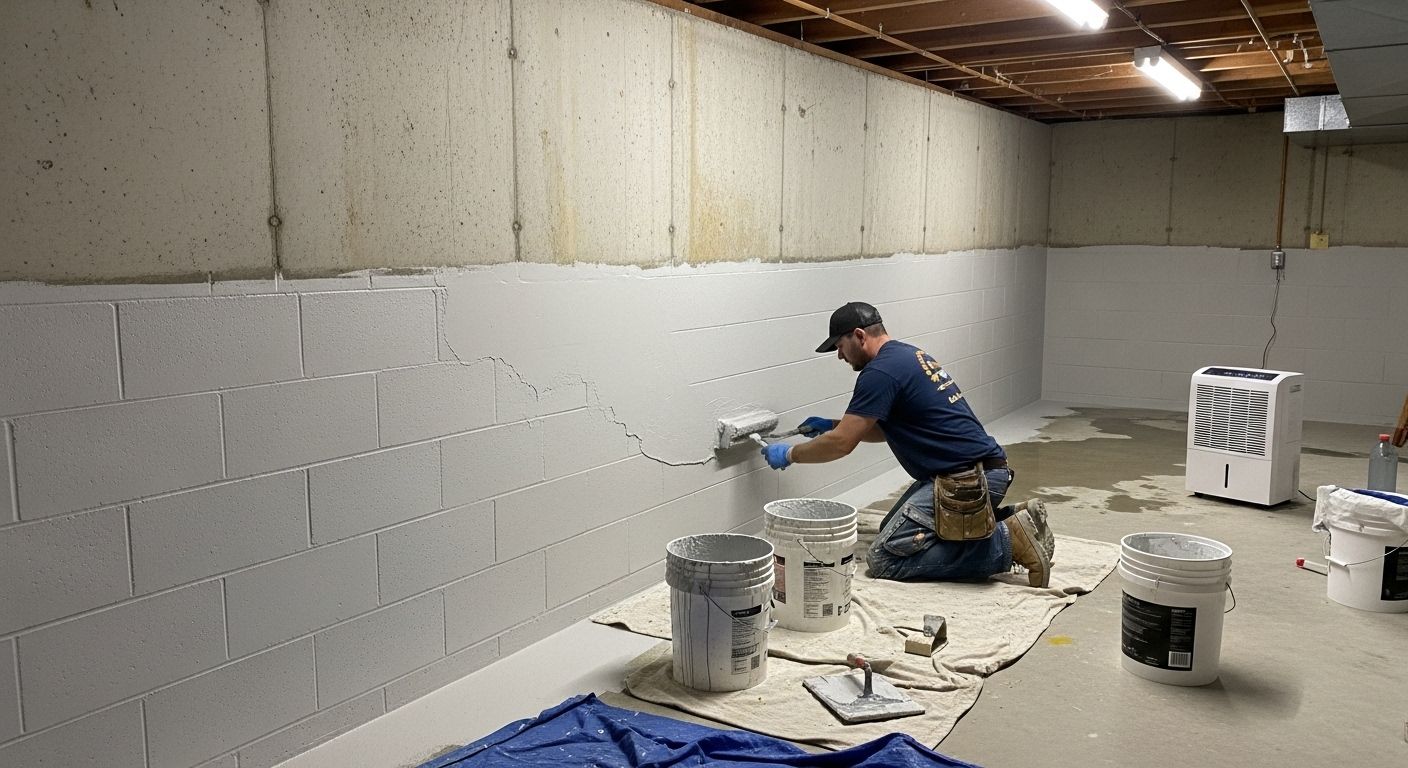
Basement leaking in the Southeast is a different problem than basement leaking in the Northeast or Midwest, and solutions that work well in drier climates often underperform here. The combination of factors that defines this region — high annual rainfall, intense humidity, clay-heavy soils, and warm temperatures that keep moisture active year-round — creates a water management challenge that's worth understanding correctly before you start spending money on fixes.

Our Services →

Why Basements Leak in the Southeast — And What's Actually Causing It

The first thing to get clear is that most basement moisture in the Southeast comes from one of two sources: liquid water intrusion and condensation. They look similar — wet walls, damp floors, that persistent musty smell — but they have different causes and different solutions. Treating one when you have the other wastes money and doesn't fix the problem.


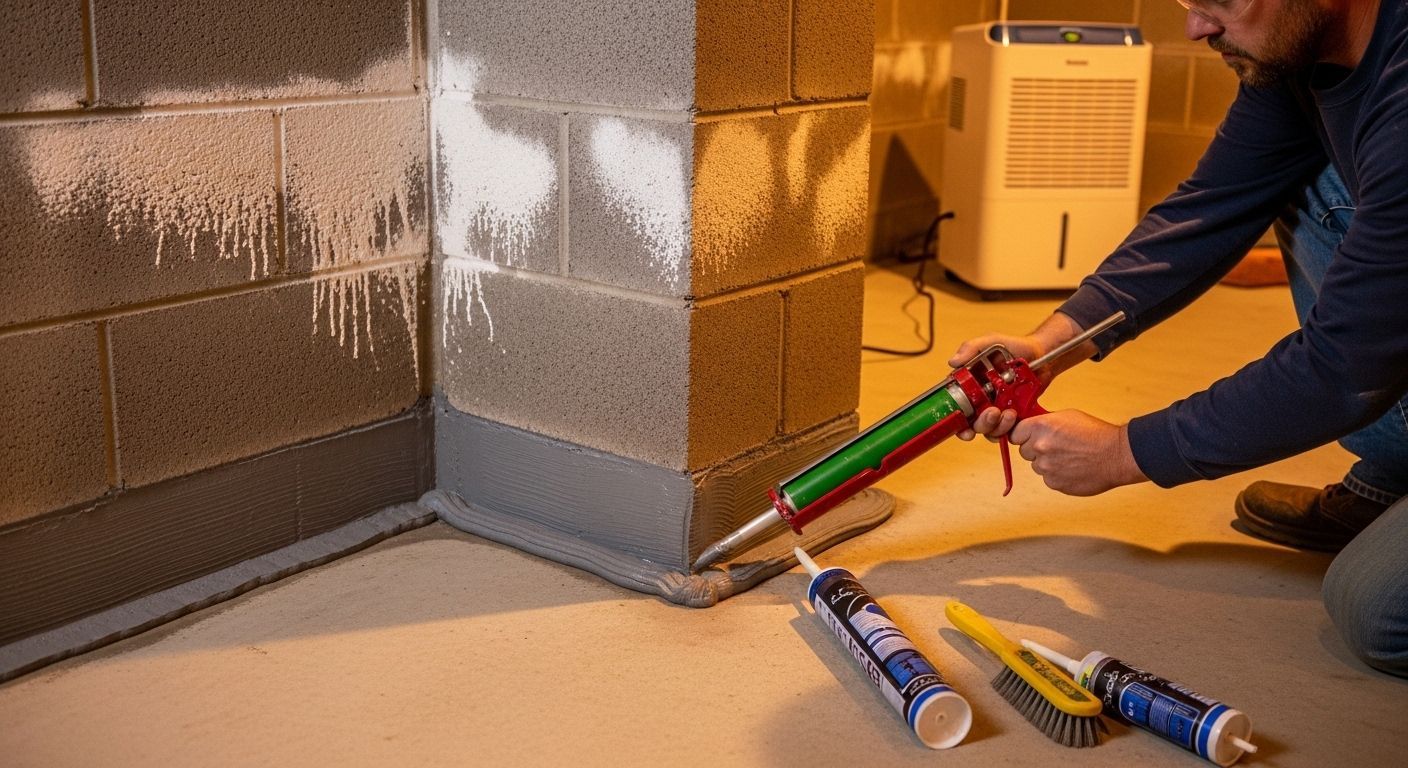
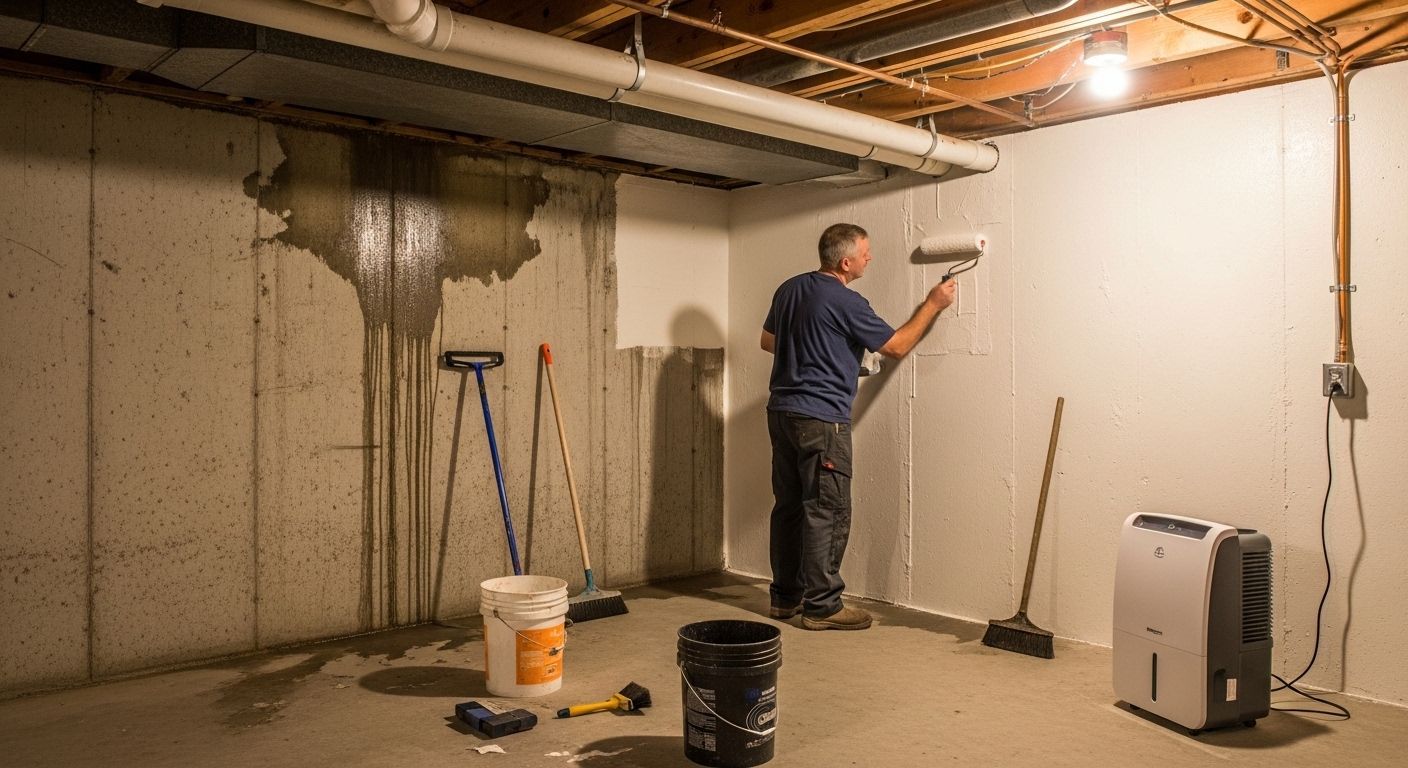
Condensation is the one that catches people off guard, and it's particularly relevant to why basements leak in Southeast humidity conditions. When warm, humid outdoor air — and summer air in Georgia, Alabama, or the Carolinas carries extraordinary amounts of moisture — enters a basement and contacts cooler basement walls and floors, it releases that moisture as condensation. The walls look wet. The floor feels damp. It feels exactly like a leak. But the water is coming from the air, not from the ground, and the solution is controlling the air rather than waterproofing the walls. A properly sized dehumidifier running consistently, combined with limiting how often you introduce humid outdoor air into the basement, addresses condensation. Applying waterproofing membrane to walls that are wet from condensation does essentially nothing.

estimated_quoteArtboard 3

Get a Free Quote

Contact Us


Why Choose Waterproofing Atlanta?


Satisfied Clients

quotes2Artboard 2

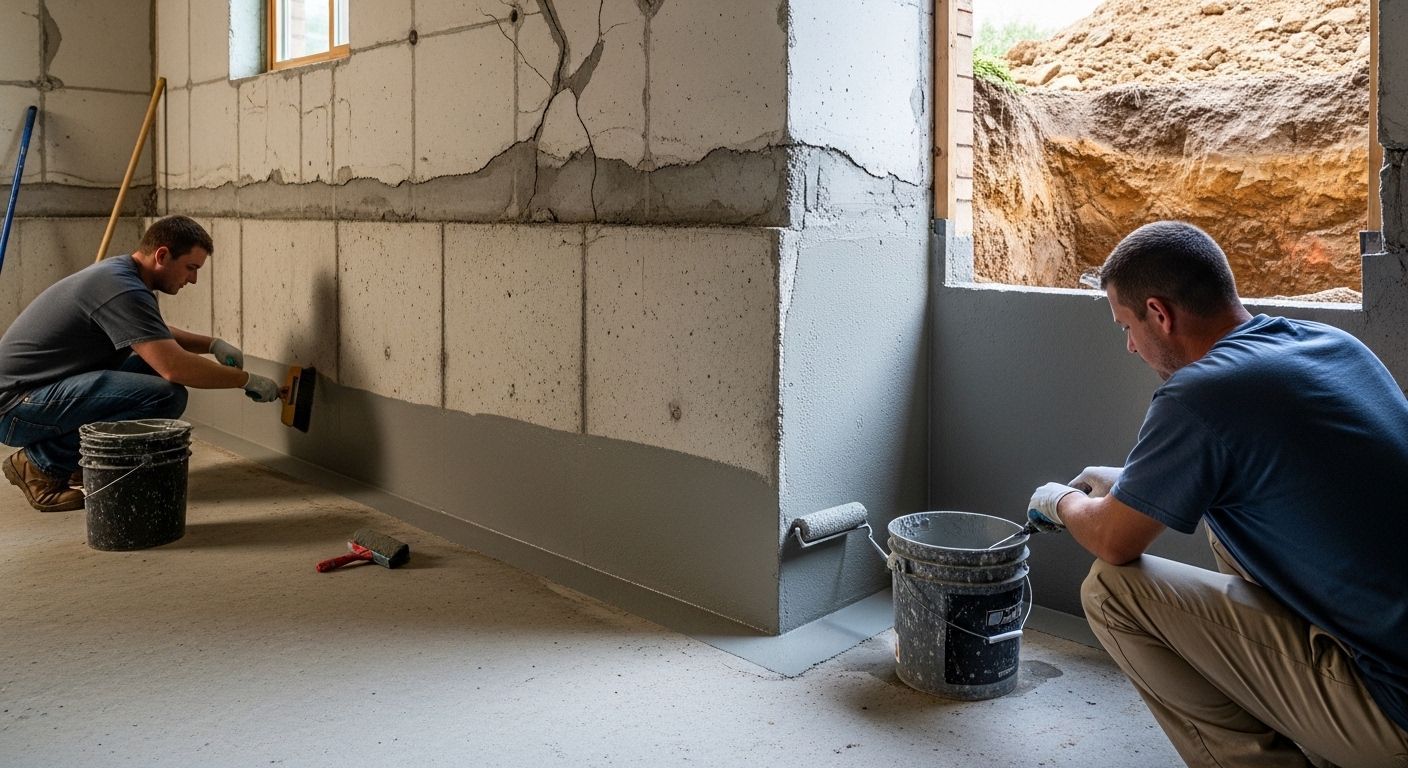
Actual water intrusion is a different matter. Liquid water getting into a basement typically enters through one of three pathways: through cracks in the foundation wall or floor slab, through the joint where the wall meets the floor (called the cove joint), or through porous masonry that allows water to migrate through even without visible cracks. In the Southeast, the clay soil that underlies much of the region makes this worse in a specific way: clay expands significantly when wet and contracts when dry. That expansion and contraction creates pressure against foundation walls, gradually widening cracks and working at mortar joints over time.


A foundation that's in acceptable condition in a drier climate may show real stress in the same Southeast clay soil environment.

Hydrostatic pressure is the technical term for what happens when saturated soil pushes water against your foundation with real force. After a heavy rain — and the Southeast gets plenty, with many areas receiving 50 to 60 inches annually — the soil around a foundation can become fully saturated, and that water needs somewhere to go. It finds the path of least resistance, which is often your basement. This is why basement leaks in the Southeast frequently appear during or shortly after rain events rather than continuously, and why they're often worse in spring when rainfall is heaviest.


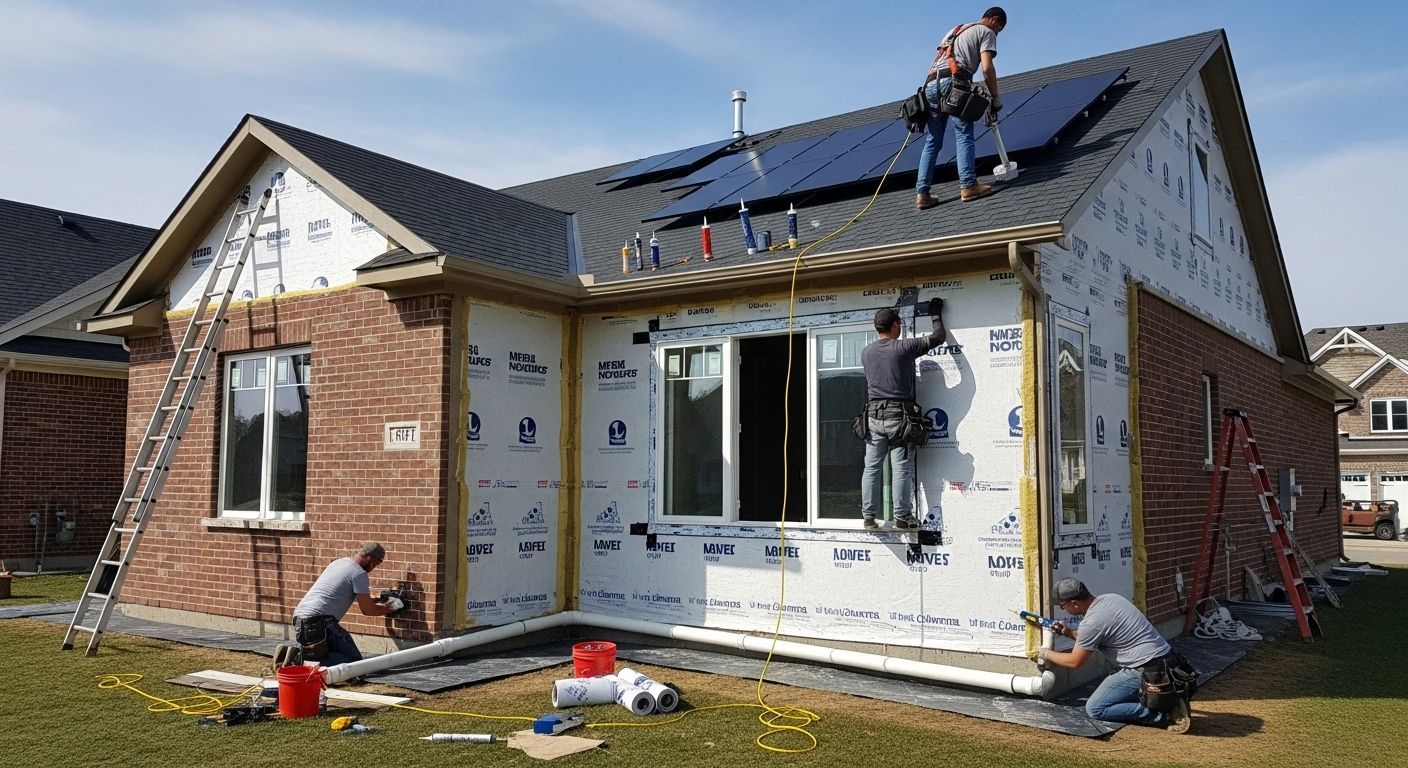
Gutters and grading are the first line of defense and the most commonly neglected. A clogged gutter system or one with downspouts that discharge water directly against the foundation is delivering thousands of gallons of water to exactly the wrong place during a rainstorm. Downspouts should extend at least six feet from the foundation, and the ground around the house should slope away at roughly one inch per foot for the first six feet. These aren't glamorous fixes, but they address the source rather than the symptom, and in many cases they substantially reduce intrusion without any interior or exterior waterproofing work.


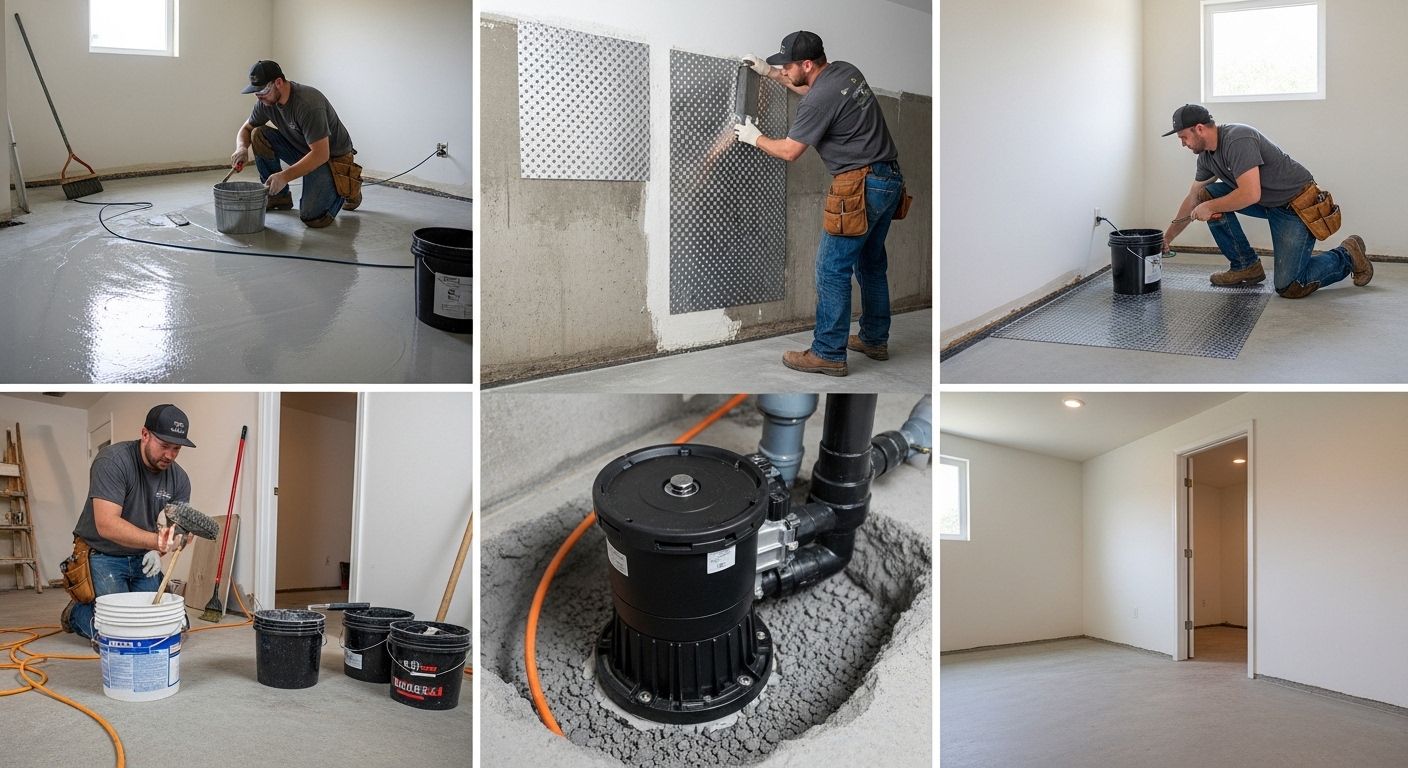
When grading and drainage corrections aren't enough — either because the problem is too significant or because the site doesn't allow adequate slope — interior drainage systems become the practical solution. An interior perimeter drain installed along the cove joint, connected to a sump pump, captures water that enters the foundation and removes it before it floods the floor. This doesn't stop water from entering the wall, but it manages it effectively and keeps the basement dry. For most Southeast homeowners dealing with serious intrusion, interior drainage combined with a reliable sump pump (and a battery backup for the inevitable power outages during storms) is the most realistic long-term solution.


The humidity piece requires its own ongoing management regardless of whether you've addressed intrusion. A basement in the Southeast without active dehumidification will run at relative humidity levels that grow mold, damage stored belongings, and create air quality problems that migrate into the living space above. A whole-home dehumidifier plumbed to a drain so it runs continuously without requiring you to empty a bucket is the right long-term approach for a finished or regularly used basement. For unfinished spaces, a heavy-duty portable unit works, but it requires consistent attention.

Understanding why basement leaks happen in Southeast humidity conditions — whether it's condensation, hydrostatic pressure, or poor drainage — determines everything about whether the fix you choose actually works.
Waterproofing Atlanta Near Me?

Request an Estimate

To receive an accurate estimate for your waterproofing project, we invite you to share detailed information about your property and concerns. Using our online form, you can submit your contact details along with the scope of your project, whether you’re dealing with basement leaks, foundation cracks, crawl space moisture, or standing water around your home. This allows our experienced waterproofing contractors Atlanta homeowners trust to evaluate your situation and recommend the most effective waterproofing solutions for your specific needs. From basement waterproofing and foundation waterproofing to crawl space encapsulation and exterior drainage correction, we tailor every recommendation to your property’s structure and soil conditions in Atlanta. After reviewing your information, we provide a clear, customized estimate outlining the scope of work, recommended waterproofing systems, waterproofing installation methods, and affordable waterproofing options designed for long-term protection. For urgent water intrusion issues or time-sensitive foundation concerns, you’re always welcome to call us directly during business hours for immediate assistance.

Customer Service

Our customer service team is committed to supporting homeowners and property managers through every stage of their waterproofing project. As a trusted waterproofing company serving Atlanta and surrounding communities, we prioritize responsive communication, detailed inspections, and honest recommendations. Whether you need residential waterproofing services, waterproofing for commercial properties, or guidance on waterproofing for wet basements and crawl spaces, our knowledgeable staff is here to help. We are happy to answer questions about foundation crack repair, sealing foundation cracks, waterproofing basement walls and floors, waterproofing crawl space encapsulation, and complete waterproofing repair solutions. Protecting your home from moisture damage in Atlanta’s humid climate requires timely action, and our team works diligently to ensure a smooth, stress-free experience from your first call to final project completion. Customer satisfaction is at the core of our mission, and we strive to deliver dependable, professional waterproofing contractors you can rely on with every interaction.